
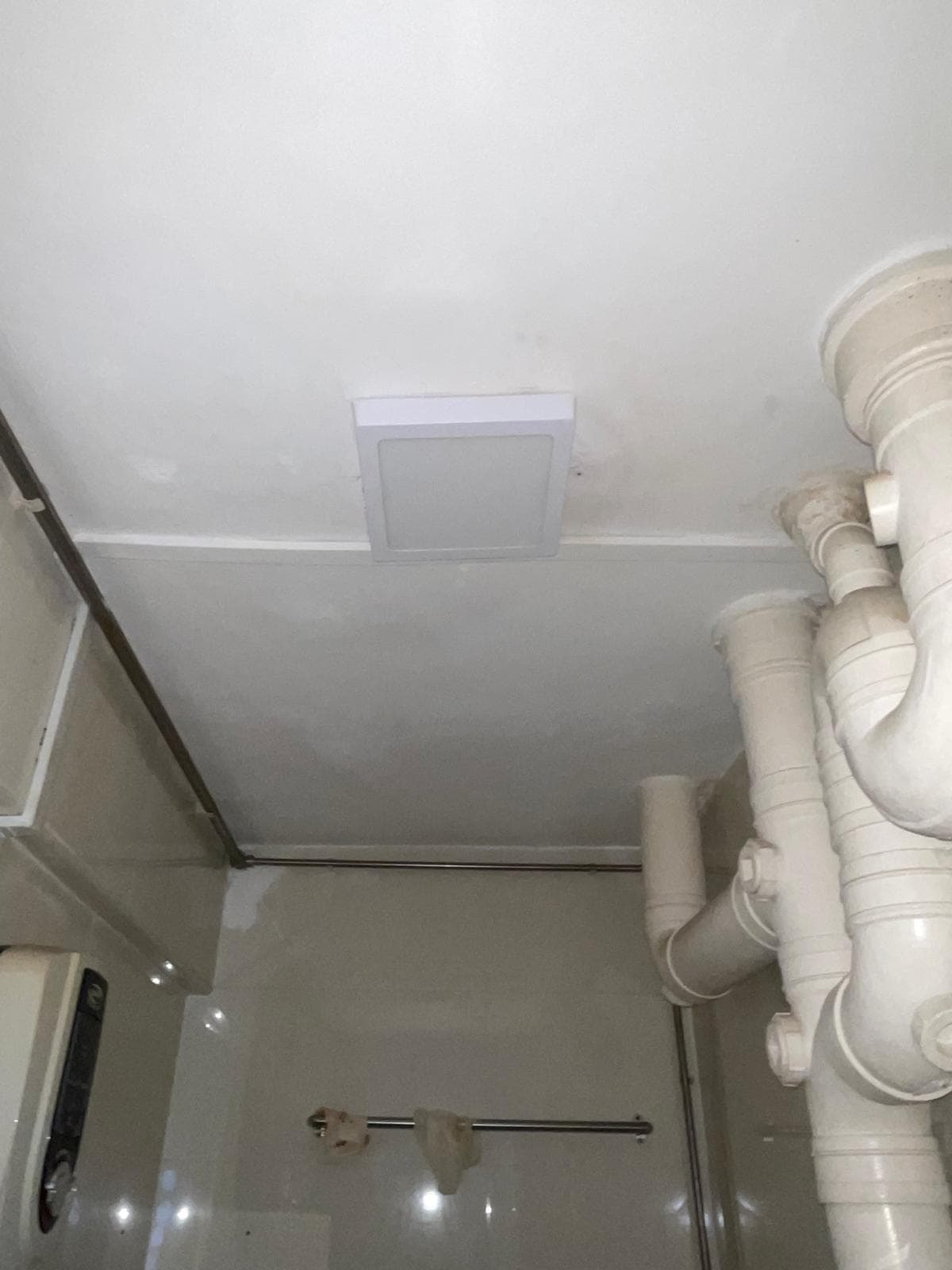
Advanced Leak Detection & Concrete Waterproofing Guide in Singapore 2026
Advanced Leak Detection & Concrete Waterproofing Guide in Singapore 2026
Why Immediate Waterproofing Intervention is Crucial
Water is a patient enemy. Once it finds a microscopic crack inside a concrete slab, hydrostatic pressure pushes it through your structure, corroding internal steel rebar along the way. As rebar rusts, it expands up to ten times its original size, causing the surrounding concrete to crack and flake away.
Addressing water stains early protects the core structural integrity of your building and avoids incredibly invasive, high-cost reconstruction works down the road.
Waterproofing Systems & Diagnostic Overview
| Method Type | Primary Target Zone | Intervention Style | Operational Lifespan |
|---|---|---|---|
| High-Pressure PU Grouting | Bathroom Ceilings / Concrete Joints | Non-Invasive Injection | Long-Term Barrier |
| Thermal Leak Detection | Hidden Slab Pipes / Balconies | Infrared Scanning | N/A (Diagnostic) |
| Acrylic Polymer Membrane | Roof Terraces / Wet Areas | Surface Liquid Layer | 5 - 10 Years |
| Chemical Grout Infusion | Tiled Shower Floors | Sub-surface Sealing | Moderate Renewal |
Modern, Non-Invasive Leak Rectification Methods
- Thermal Imaging Diagnostics: High-resolution infrared cameras read sub-surface temperature variations to track the exact path of moisture back to its source, removing the need for guesswork or destructive digging.
- High-Pressure Polyurethane (PU) Grouting: This process involves drilling small injection ports into a leaking ceiling and pumping in expanding polyurethane resin. When the resin meets moisture, it expands rapidly into a dense, rubbery seal that completely blocks the water pathway.
- Deep Penetrating Chemical Infusions: For toilets with failing seals but sound tiles, clear chemical repellents can be infused into the grout lines. This builds a subsurface water barrier without the mess and hassle of hacking out the floor.
Signs of Concrete Spalling and Failure
Flaking Plaster or Blistered Paint: Moisture creeping through slabs breaks down the bonds holding paint or skim coats to the ceiling, leaving unsightly powdery white patches.
Exposed, Rusted Rebar: If ignored, concrete chunks will break away completely, exposing the rusted iron mesh underneath. This indicates severe structural deterioration that requires urgent specialized mortar repairs.
Why Choose JB M&E SERVICES PTE LTD for Waterproofing Works
JB M&E SERVICES PTE LTD stops leaks at the source using advanced, non-destructive technologies. We offer:
- Infrared Leak Detection: We locate hidden leaks accurately without tearing up walls or floor tiles.
- Industrial PU Injection: We use high-pressure equipment to create resilient, flexible seals deep within concrete joints.
- Certified Formulations: All waterproofing membranes and chemical compounds are selected for maximum durability under local humidity conditions.
Frequently Asked Questions About Waterproofing
Why is water dripping from my bathroom ceiling?
In Singapore flats, this inter-floor leak occurs when the waterproofing layer under your neighbor's floor tiles wears down over time, allowing water to pass through the concrete slab.
Is it always necessary to hack tiles to fix a bathroom leak?
Not anymore. If your tiles are intact, we can often apply high-pressure PU grouting or clear chemical infusions to stop the leak cleanly without messy hacking.
Conclusion
Water damage spreads quickly if left untreated, compromising concrete structures and causing mold problems. Using modern techniques like thermal detection and PU grouting allows leaks to be resolved cleanly and permanently. JB M&E SERVICES PTE LTD delivers high-quality waterproofing solutions to keep your property dry and secure.
Contact us today for a free consultation and quotation for your waterproofing needs.